Shingles vs Metal
and whats right for your home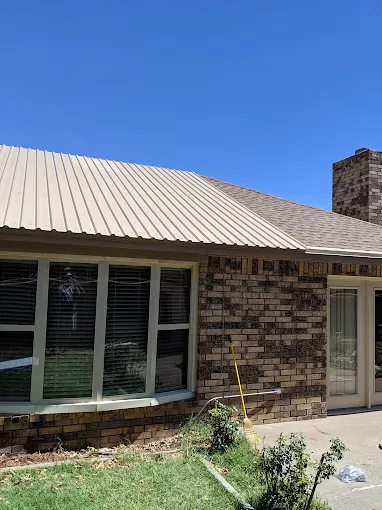
Shingle Roofing vs. Metal Roofing: Which Is Right for Your Home?
Asphalt Shingle Roofing
Asphalt shingles are the most common roofing choice due to their lower cost, ease of installation, wide variety of colors, and traditional appearance.
Pros:
Lower upfront cost compared to metal
Wide range of colors and styles
Faster installation and easier repairs
Popular and widely accepted by insurance carriersCons:
Shorter lifespan (typically 15–30 years)
More susceptible to wind, hail, and UV damage
Requires more frequent maintenance over timeHome Insurance Considerations
Asphalt shingles are the most commonly insured roofing material in the U.S. Most homeowner policies are written with shingles in mind, and storm-related damage—such as hail or wind—is typically covered when it affects the roof’s ability to shed water or function properly. Because shingles can be replaced in sections, insurance claims and repairs are often more straightforward.
Class 4 impact-resistant shingles are growing in popularity with their additional protection, as they are engineered to withstand severe hail and impact better than standard asphalt shingles. While Class 4 shingles cost slightly more upfront, many homeowners choose them for their increased durability, reduced risk of storm damage, and the potential for insurance premium discounts depending on the carrier and policy.
Metal Roofing
Metal roofing is best for homeowners seeking durability, long-term performance, and improved energy efficiency.
Pros:
Long lifespan (40–70+ years)
Excellent resistance to wind, hail, and fire
Reflects heat, improving energy efficiency
Minimal maintenance over timeCons:
Higher upfront cost
Installation requires specialized experience
Repairs can be more complex if damage occursInsurance considerations:
While metal roofs are extremely durable, many insurance policies include cosmetic damage exclusions for metal roofing. This means that dents, dings, or surface blemishes caused by hail or debris may not be covered if the roof is still watertight and functioning as intended.
In these cases, insurance may deny a claim even though the roof shows visible damage. Homeowners considering metal roofing should review their policy carefully or speak with their insurance agent to understand how cosmetic exclusions may apply.
Metal roofing is an excellent long-term investment, but it’s important to understand how insurance coverage differs compared to traditional shingle systems.Which Roofing Option Should You Choose?
The right roofing system depends on your budget, climate, long-term plans for your home, and how important insurance coverage and claim flexibility are to you. Each roofing option offers distinct advantages, and understanding those differences is key to making a confident decision.
Shingle roofs remain a popular choice for their affordability, traditional appearance, and generally predictable insurance treatment, making them a practical option for many homeowners.
Metal roofs deliver exceptional longevity and performance but may include insurance limitations related to cosmetic damage, which should be carefully considered before installation.
At Foster Construction, we bring hands-on experience with both shingle and metal roofing systems. Our team takes the time to evaluate your home, explain material options clearly, and walk you through real-world considerations such as local weather conditions, code requirements, and insurance impacts—not just product specs.
Contact Foster Construction today for a free roof inspection and detailed estimate, and let us help you choose a roofing solution that protects your home and your investment.
Ready for a Roof That Lasts a Lifetime?
Contact Foster Construction today for a professional inspection and free estimate on your next project.